
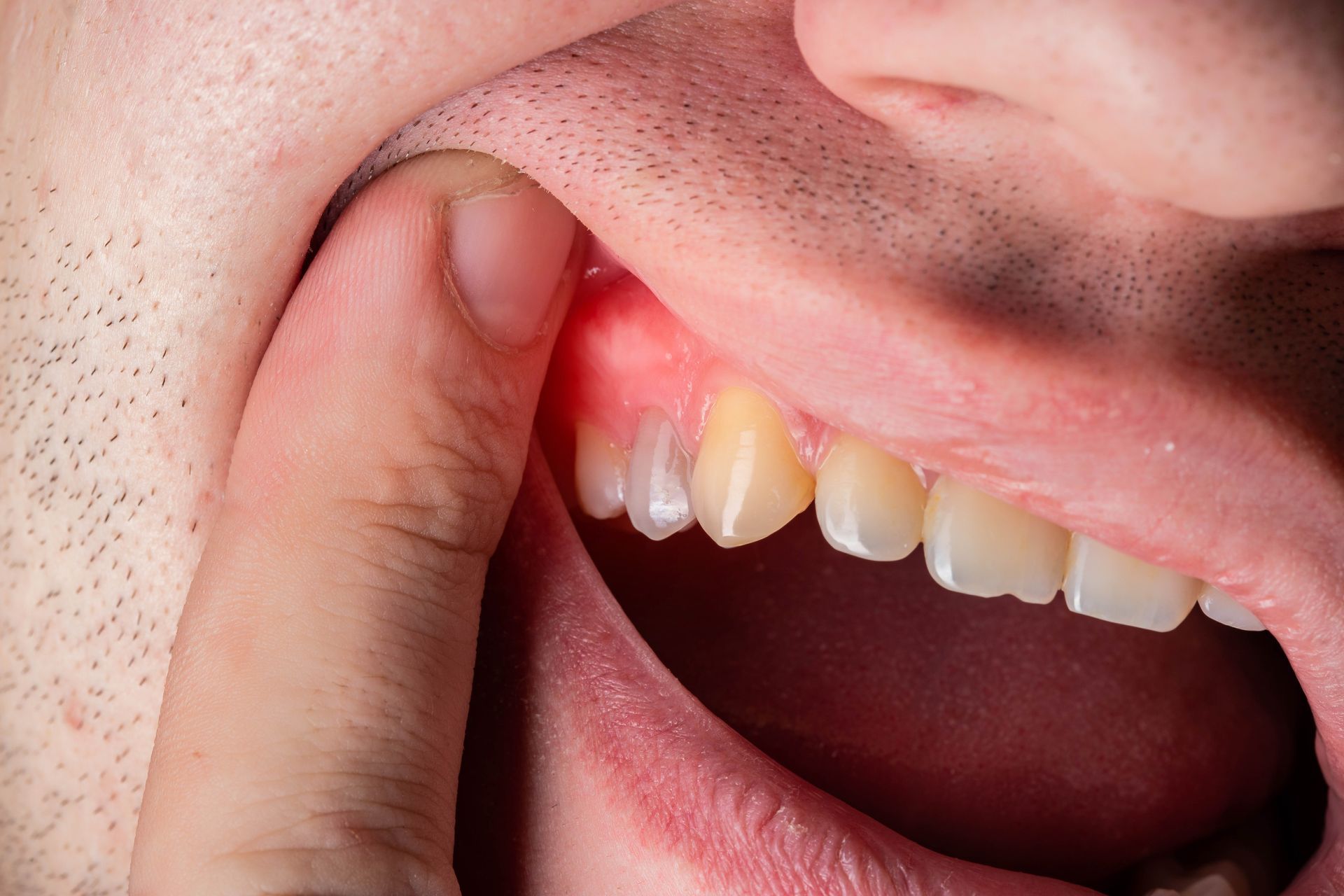
Abscessed Tooth Created in Dental Problems Treatment of an abscessed tooth An abscessed tooth is a pocket of pus, usually caused by some kind of infection and the spread of bacteria from the root of the tooth to the tissue just below or near the tooth. In general, a tooth that has become abscessed is one whose underlying pulp (the tooth's soft core) has become infected or swollen. The pulp contains nerves, blood vessels and connective tissue, and lies within the tooth. It extends from the crown of the tooth, to the tip of the root, in the bone of the jaws. An abscessed tooth can be an extremely painful condition. In some cases, antibiotics are administered in an attempt to kill an infection. If antibiotics are ineffective and an abscess is shown to be damaging the pulp or lower bony structures, a root canal procedure may be needed to remove the dead pulp and restore the tooth to a healthy state.
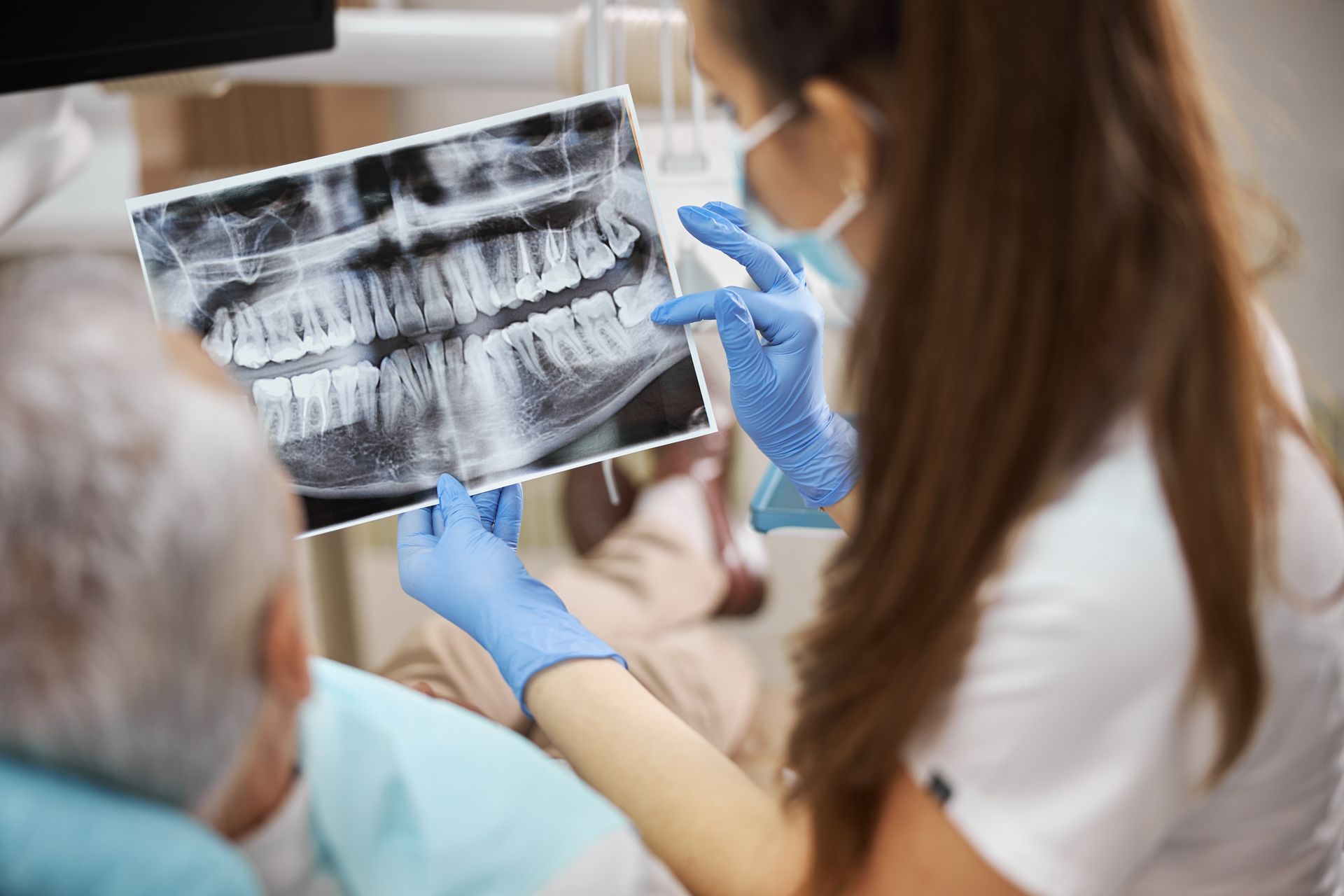
Age and Oral Health Created in Oral Health Topics Oral changes with age Is tooth loss inevitable in your later years? How much should adults be concerned about cavities? Here you will find helpful answers to some frequently asked questions about oral health questions you may have as you get older. National survey reveals baby boomers miss links between oral and overall health Baby boomers looking for the warning signs of adult-onset diseases may be overlooking key symptoms in their mouth that should signal alarms about their overall health. According to a survey commissioned by the Academy of General Dentistry, 63 percent of baby boomers (ages 45-64) with an oral symptom considered to be a key indicator of a more serious health condition, were unaware of the symptom`s link to the condition. Boomers` failure to recognize that oral health holds valuable clues could negatively impact their overall health.
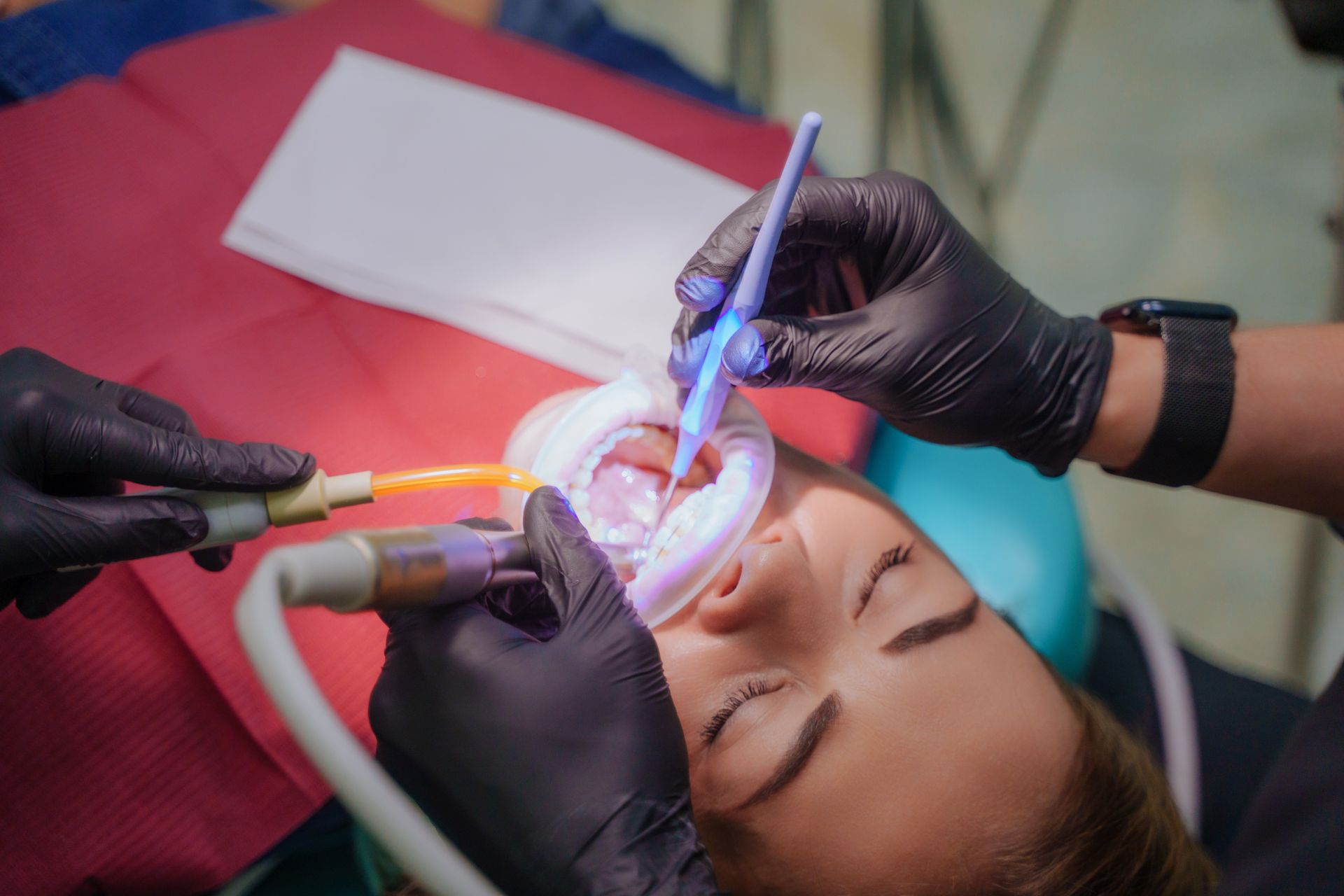
Anesthesia Created in Pain Management Dentistry has advanced to the point in which pain is almost a thing of the past. Powerful pain-killing medications known as anesthetics not only help a patient avoid discomfort during a procedure, but post-operatively as well. Some patients, especially children, may require higher doses of anesthetic than others. Types of pain-killing medications include: Analgesics - These are also called pain relievers and include common non-narcotic medications such as ibuprofen and aspirin. Analgesics are usually used for mild cases of discomfort, and are typically prescribed following such procedures as a root canal or tooth extraction. Anesthetics - Anesthetics can either be topically applied, injected or swallowed. Dentists often apply topical anesthetics with a cotton swab to an area of the mouth where a procedure such as a restoration will be performed. This numbs the affected area. Topical anesthetics are used in many dental procedures such as tooth restoration. Topical anesthetics also are used to prepare an area for injection of an anesthetic. Novocaine and Lidocaine are the most common kind of injectable anesthetics. Such medications block the nerves from transmitting signals and are used for more major types of procedures, such as fillings and root canals. Sedatives - Sedatives are medications designed to help a patient relax. This can be a powerful tool in avoiding pain. Sedatives are sometimes used in combination with other types of pain relievers and pain-killers. Nitrous oxide, or laughing gas, is a form of sedative. Conscious sedation involves administering a sedative while the patient is alert and awake. Deep sedation or general anesthesia involves administering a medication that places a patient in a state of monitored and controlled unconsciousness. Types of sedatives include: Intravenous (IV) sedation - Usually in the form of a tranquilizing agent; patients given IV sedation are often awake, but very relaxed. Inhalation sedation - a form of sedation in which nitrous oxide is administered through a special mask.
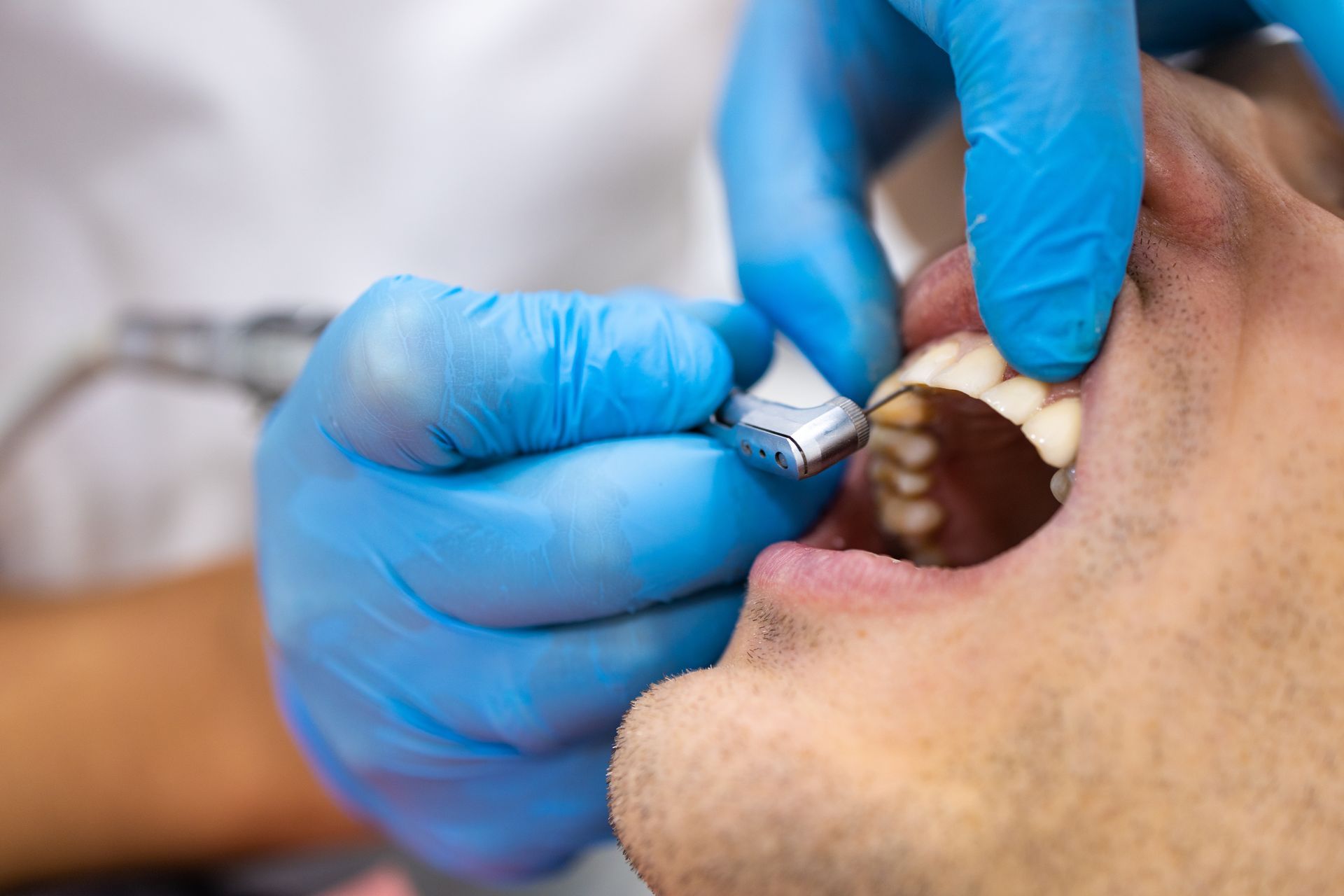
April 2022 Dental Newsletter The Importance of Preventive Care: Maintaining Good Oral Health Preventative dental care is a significant part of overall dental health, but it's often an afterthought. Our dedicated dentist sees many patients who don’t keep up with consistent preventative oral care and then must fix the problems it creates. Preventive dental care is the first step in reducing the number of visits to the dentist. What is Preventative Care in the Dental World? The importance of dental care can't be overstated because oral health is closely linked to overall wellness and disease prevention. Each human mouth can have billions of bacteria at one time. Some are good bacteria, and others are harmful bacteria. When cracks in the teeth, cavities, or pockets between the gum and teeth exist, it allows harmful bacteria to get further into the body, into areas the bacteria are not meant to be. Left untreated, this causes oral diseases and leads to other conditions in various places of the body. General dentistry provides that preventative dental care, which involves the screening and examination of the mouth and the care you perform at home. During routine screening, your dentist or dental hygienist will check to see if you have any cavities, gum disease, or other problems that could put you at risk for further dental issues. Visits can include X-rays, so our experienced dentist can look for signs of infection in the bone surrounding your teeth. Preventative dental care is critical if you are in one of the following populations or have the following conditions: -Pregnant or nursing women -Smokers -Diabetics -People with heart and lung disease Tools You'll Need for Successful Dental Preventative Care Most preventative dental care can be done in the comfort of your own home. You and each member of your family will generally need a soft-bristled toothbrush, floss, and mouthwash. Since each mouth has its own unique needs, the type of dental cleaning tools that you choose should be based on your specific oral health status. For example, if you have significant gaps between your teeth, also consider purchasing brush picks, which are like plastic toothpicks with tiny bristles at the ends. If you find reaching into other areas of your mouth awkward or uncomfortable, consider using an electric toothbrush that does most of the work for you. If you find wide floss uncomfortable, switch to some skinnier versions instead. How to Perform Dental Preventative Care As always, brush twice every day for at least two minutes. Floss daily, being careful not to yank the thread around the base of your tooth. Follow with a mouthwash of your choice. Young children should be supervised so they don't swallow toothpaste or mouthwash. Some families find it helpful to get into group routines to make sure this gets done. Finally, visit a dentist or dental hygienist at least twice a year for an oral examination and deep cleaning. A combination of these things helps prevent plaque from becoming tartar and the tartar from eating away at your teeth. For help with your preventative dental maintenance and next cleaning visit, be sure to contact our office today!
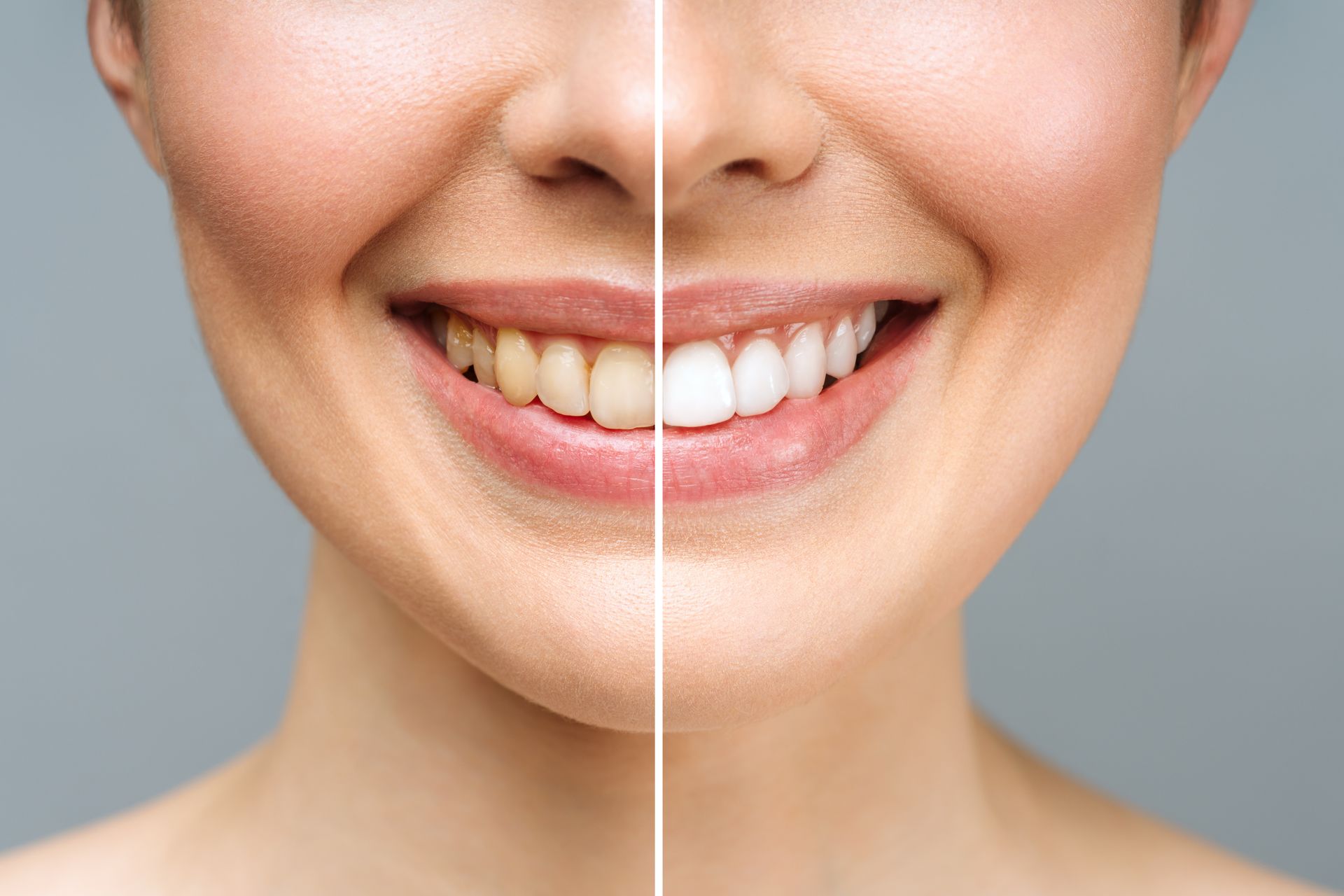
Bleaching Created in Treatment, Cosmetic Dentistry Bleaching and non-bleaching products are the two basic kinds of whitening products available today. Non-bleaching products normally use abrasives or chemicals and only remove surface stains on teeth. Bleaching products work with a chemical called peroxide and can brighten your teeth several shades. Another process employs the use of a special gel that is placed inside a flexible device you wear around your teeth for a certain period of time. After you remove the device, you must use a second bleaching agent, followed by a special light to activate the chemical action. Mildly stained teeth usually only require one session of bleaching.

Bonding Created in Treatment, Cosmetic Dentistry Bonding is a process in which an enamel-like material is applied to a tooth`s surface, sculpted to an ideal shape, hardened, and then polished for an ideal smile. This procedure usually can be accomplished in a single visit. Bonding is often performed in order to fill in gaps or change the color of your teeth. It typically only entails one office visit, and the results last for several years. Bonding is more susceptible to staining or chipping than other forms of restoration such as veneers. When teeth are chipped or slightly decayed, bonded composite resins may be the material of choice. Bonding also is used as a tooth-colored filling for small cavities and broken or chipped surfaces. In addition, bonding can be used to close spaces between teeth or cover the entire outside surface of a tooth to change its color and shape. Crowns, also known as caps, are used in cases where other procedures will not be effective. Crowns have the longest life expectancy of all cosmetic restorations, but are the most time consuming.
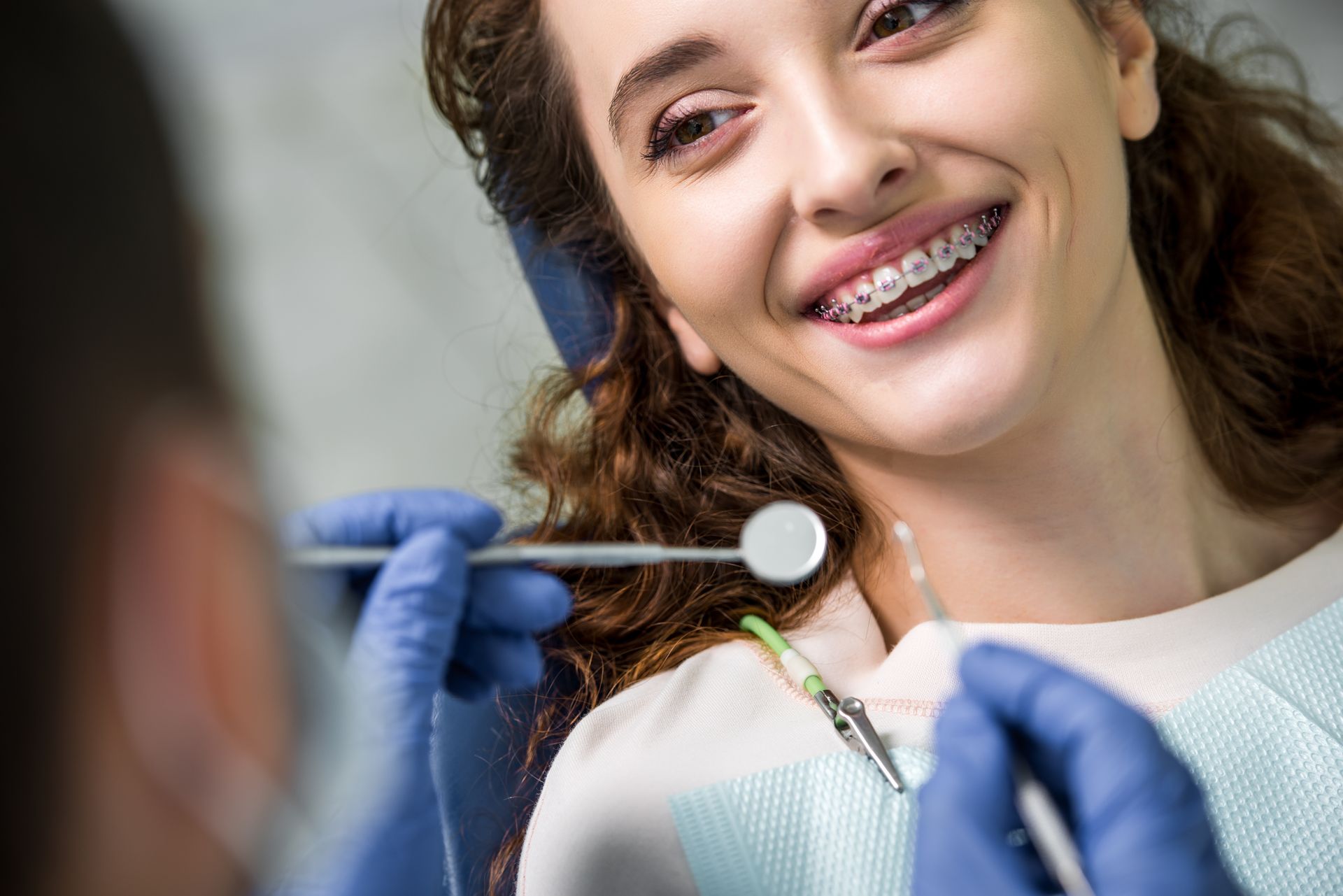
Braces (Orthodontia) Created in Treatment Braces are applied to teeth for various reasons, including poorly aligned jaws, crooked, crowded and missing teeth, or a bad bite (also called malocclusion). Various things can cause teeth to become crooked or jaws misaligned, including thumb-sucking or a traumatic injury. Some conditions are inherited. Children between the ages of 7 and 14 are typical candidates for braces because their facial structures are still developing. Adult braces usually entail additional procedures because their faces have already fully developed. About Braces Orthodontics is a field of dentistry that deals with corrections involving jaw and teeth alignment. Braces employ the use of wires and are usually one of three types: Old-fashioned, conventional braces, which employ the use of metal strips, or bands. Metal or plastic brackets that are cemented or bonded to teeth. Brackets that attach to the back teeth (also called lingual braces). Procedures Orthodontic procedures, also called orthodontia, are complex processes. In most cases, a dentist will need to make a plaster cast of the individual's teeth and perform full X-rays of the head and mouth. After orthodontic appliances are placed, they need to be adjusted from time to time to ensure that they continue to move the teeth into their correct position. Retainers are used following braces to ensure that teeth remain in position. Aesthetic and Comfort Issues Advances in technology have vastly improved appearance issues with orthodontia. Braces today are made from extremely lightweight and natural-colored materials. The materials that braces attach to-brackets-are bonded to the surfaces of teeth but can be later removed. People can expect to wear braces for about two years—less or more in some cases. Adults are usually required to wear braces for longer periods of time. Because orthodontic appliances need to be adjusted from time to time to ensure they continue to move the teeth into their correct position, they can create pressure on the teeth and jaws. This mild discomfort usually subsides following each orthodontia adjustment. Hygiene issues People who wear braces must be diligent in ensuring that food particles and other debris do not get trapped in the network of brackets and wires. In addition, brackets can leave stains on enamel if the area surrounding them is not cleaned on a daily basis. Daily oral hygiene such as brushing, flossing and rinsing are a necessity. Some people with orthodontic appliances can benefit from using water picks, which emit small pressurized bursts of water that can effectively rinse away such debris. Another caveat: Braces and sticky foods don't mix. Crunchy snacks and chewy substances should be avoided at all costs because they can cause orthodontia to be loosened or damaged. Space Maintainers Space maintainers are helpful dental devices that can help teeth grow in normally following premature tooth loss, injury or other problems. The devices can help ensure that proper spaces are maintained to allow future permanent teeth to erupt. If your child loses a baby tooth early through decay or injury, his or her other teeth could shift and begin to fill the vacant space. When your child's permanent teeth emerge, there's not enough room for them. The result is crooked or crowded teeth and difficulties with chewing or speaking.
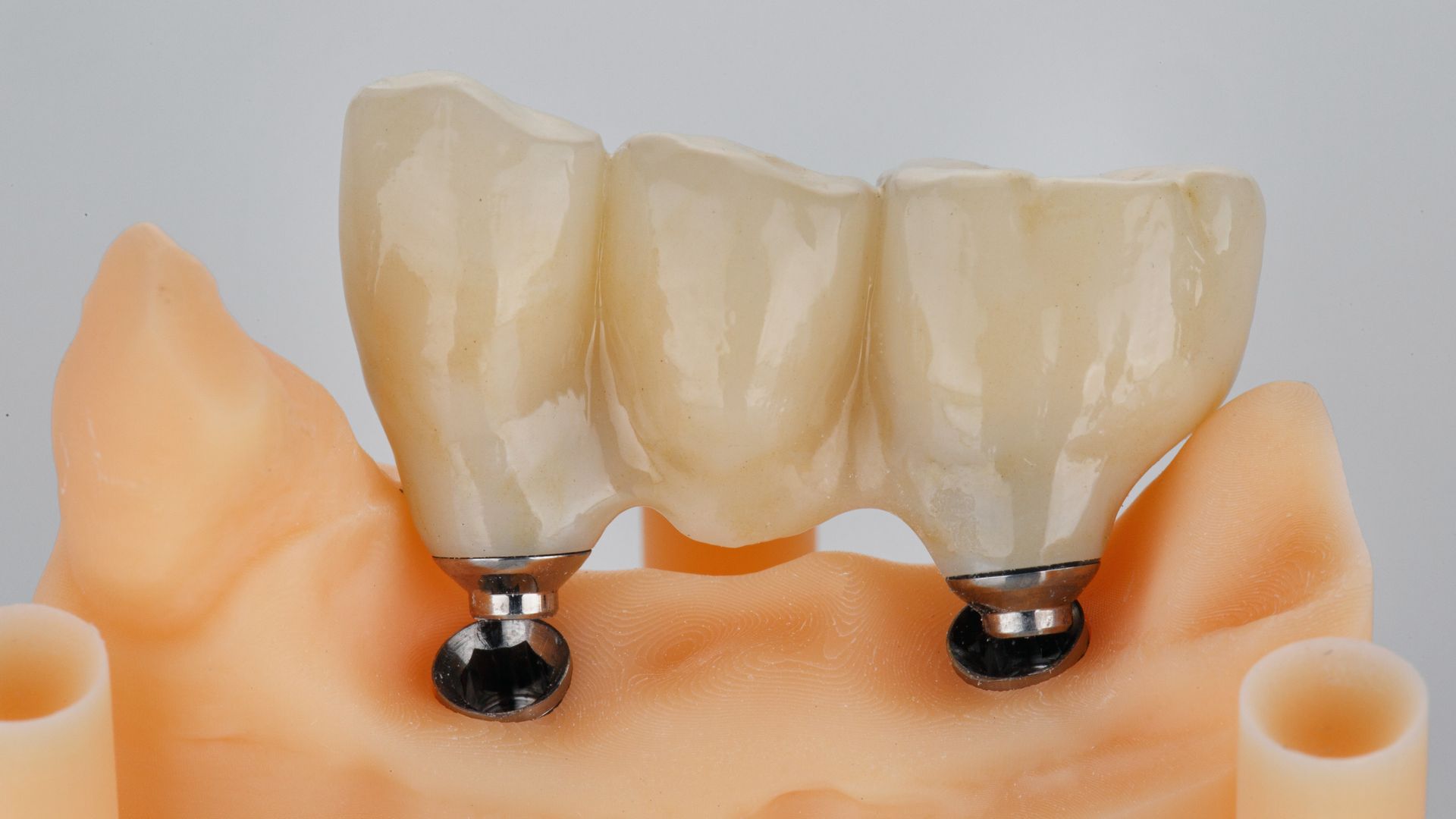
Bridges Created in Treatment Bridges are natural-looking dental appliances that can replace a section of missing teeth. Because they are custom-made, bridges are barely noticeable and can restore the natural contour of teeth as well as the proper bite relationship between upper and lower teeth. There are several types of fixed dental bridges (cannot be removed), including conventional fixed bridges, cantilever bridges and resin-bonded bridges. Some bridges are removable and can be cleaned by the wearer; others need to be removed by a dentist. Porcelain, gold alloys or combinations of materials are usually used to make bridge appliances. Appliances called implant bridges are attached to an area below the gum tissue, or the bone.
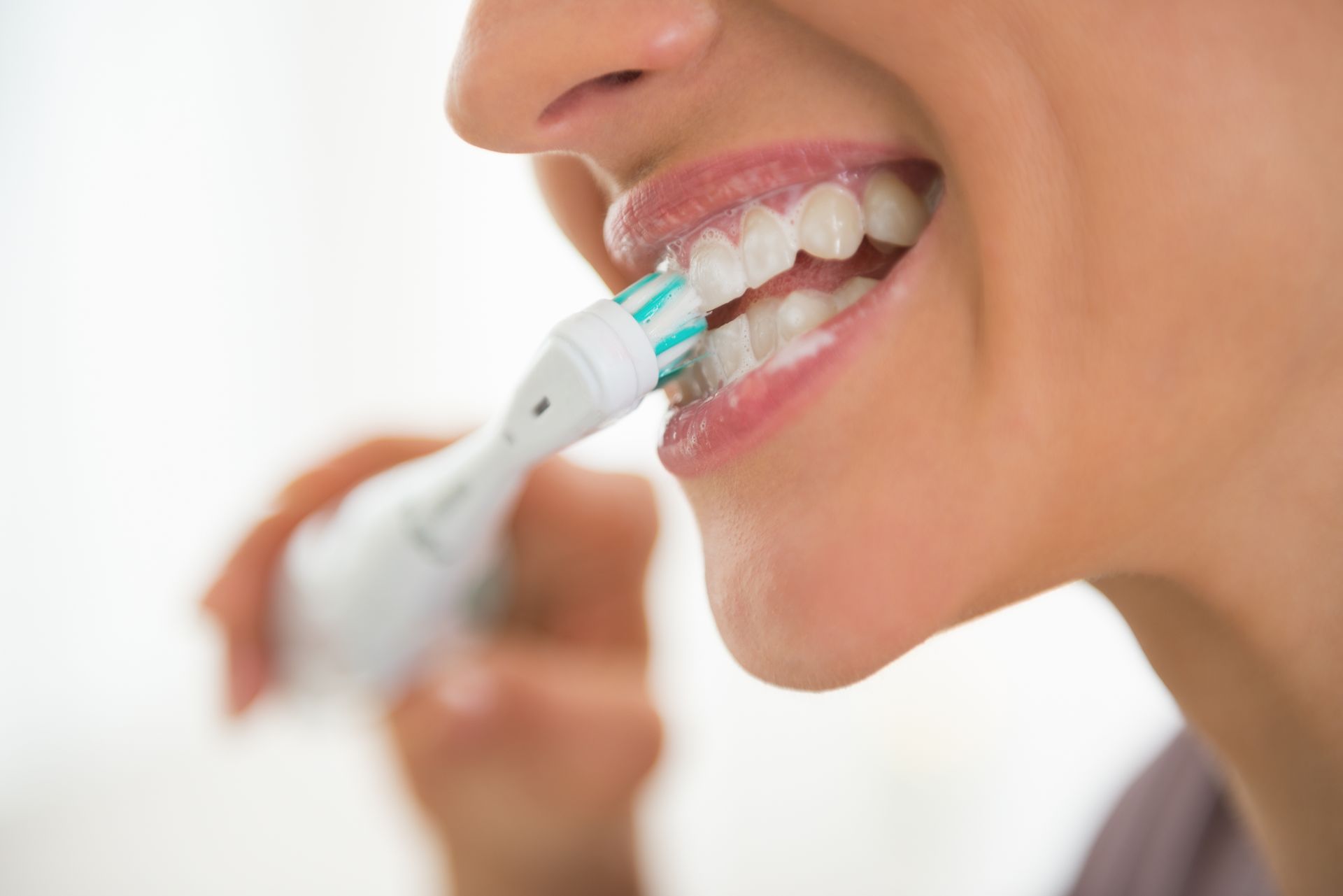
Brushing Created in Tooth Care Brushing is the most effective method for removing harmful plaque from your teeth and gums. Getting the debris off your teeth and gums in a timely manner prevents bacteria in the food you eat from turning into harmful, cavity causing acids. Most dentists agree that brushing three times a day is the minimum; if you use a fluoride toothpaste in the morning and before bed at night, you can get away without using toothpaste during the middle of the day. A simple brushing with plain water or rinsing your mouth with water for 30 seconds after lunch will generally do the job. Brushing techniques Since everyone's teeth are different, see me first before choosing a brushing technique. Here are some popular techniques that work: Use a circular motion to brush only two or three teeth at a time, gradually covering the entire mouth. Place your toothbrush next to your teeth at a 45-degree angle and gently brush in a circular motion, not up and down. This kind of motion wears down your tooth structure and can lead to receding gums, or expose the root of your tooth. You should brush all surfaces of your teeth - front, back, top, and between other teeth, rocking the brush back and forth gently to remove any plaque growing under the gum. Don't forget the other surfaces of your mouth that are covered in bacteria - including the gums, the roof and floor of your mouth, and most importantly, your tongue. Brushing your tongue not only removes trapped bacteria and other disease-causing germs, but it also freshens your breath. Remember to replace your brush when the bristles begin to spread because a worn toothbrush will not properly clean your teeth. Effective brushing usually takes about three minutes. Believe it or not, studies have shown that most people rush during tooth brushing.

Bulimia Nervosa Created in Dental Problems People with eating disorders can suffer from oral health problems as well. This is because many of the behaviors associated with anorexia nervosa and bulimia nervosa—such as binge eating, self-induced vomiting, and use of diuretics or laxatives—cause changes in the mouth. For example, repeated episodes of vomiting, which is common in people with bulimia, release harmful stomach acids that pass through the mouth and can erode tooth enamel, causing cavities, discoloration and tooth loss. Other problems, such as poorly fitting fillings and braces, are another byproduct of such eating disorders. Brushing after episodic vomiting is actually more harmful than one would think. The best practice is to rinse thoroughly with a neutral solution such as baking soda and water.